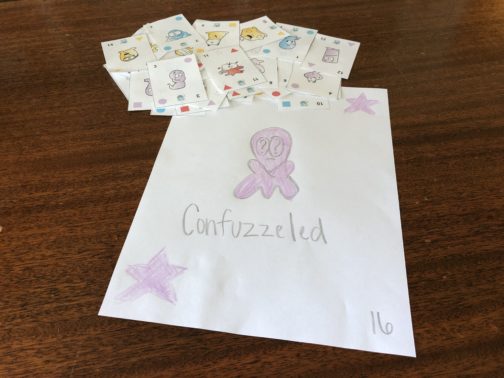
EmoMonster
Create your own “monster card” to explore feelings — grow emotion vocabulary to increase insight into self and others.
Read more
Create your own “monster card” to explore feelings — grow emotion vocabulary to increase insight into self and others.
Read more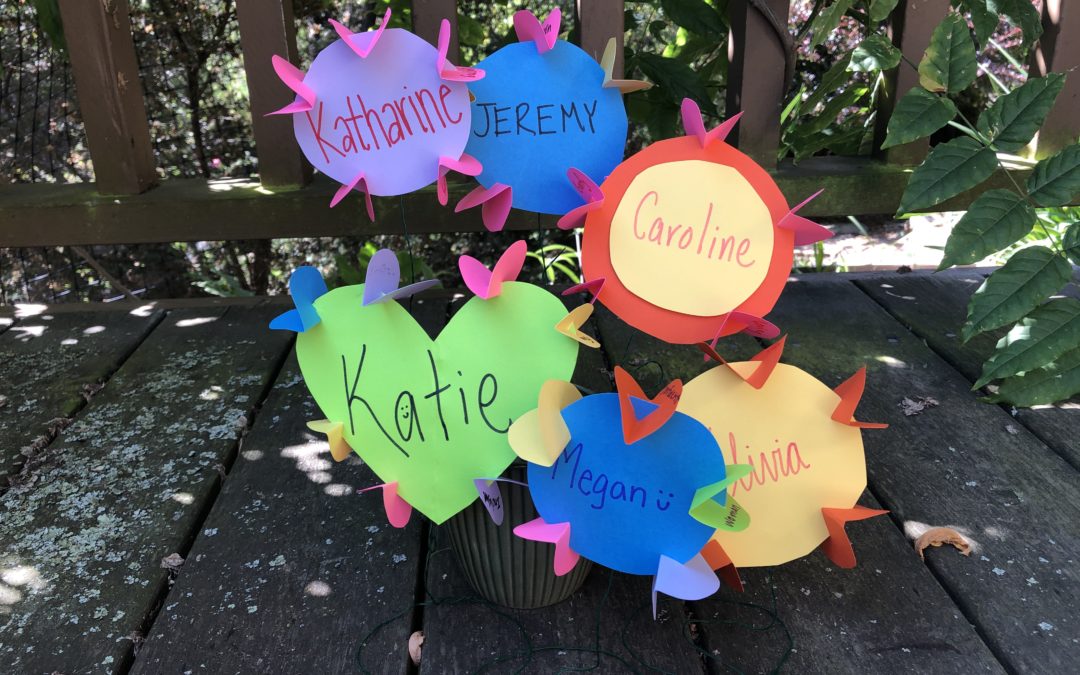
We don’t always appreciate the special people in our lives. Let’s think about one special person and pay attention to the feelings they share with us. We can show them gratitude and tell them how much care.
Read more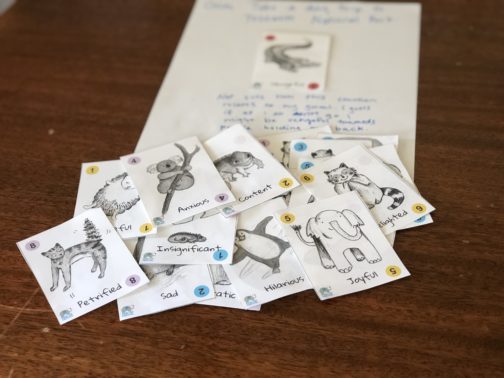
At Six Seconds, we say, “emotions drive people, and people drive performance.” Here’s a quick activity to consider if and how that works.
Read more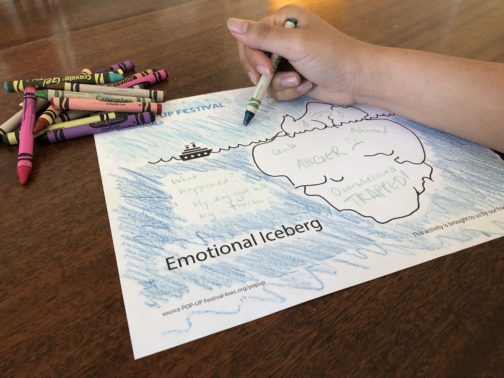
Think of an iceberg; what is visible above the ocean surface is only a small part of the whole. Create an Emotion Iceberg to explore the visible and hidden parts of your thoughts/feelings/actions.
Read more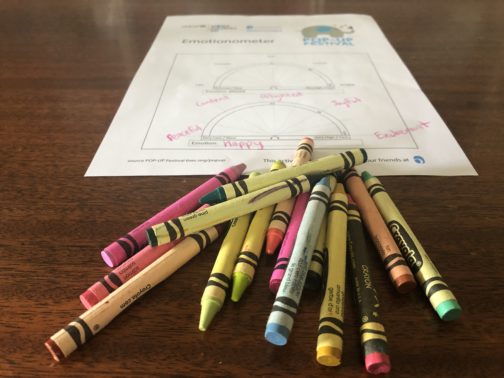
Create a “speedometer of emotion” to explore the intensity of feelings — grow emotion vocabulary to increase insight to self and others.
Read more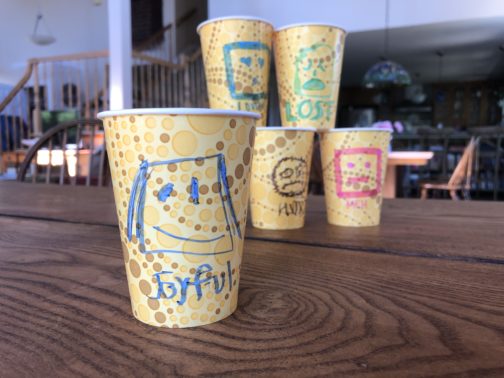
In this activity, you will draw four different emotions on your “Emotion Cup” use it to share how you are feeling. Students can use this cup to communicate their feelings with others.
Read more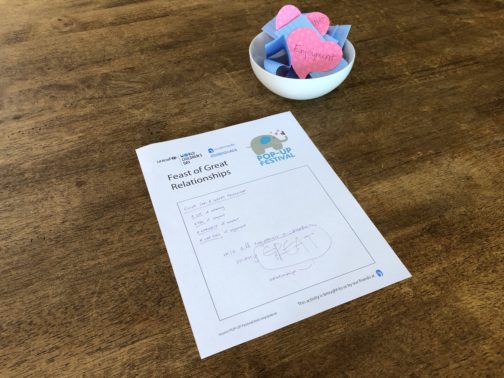
Think of your favorite meal. To make this meal, we might follow a recipe. What are some of the ingredients we need? Today, using relationship ingredients, we’re going to create a Recipe for Great Relationships.
Read more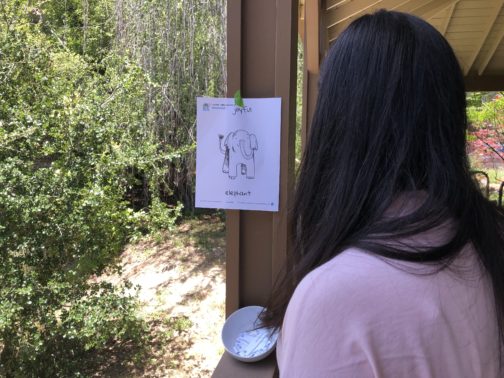
At this station you and a partner or small group will explore how you feel about different situations.
Read more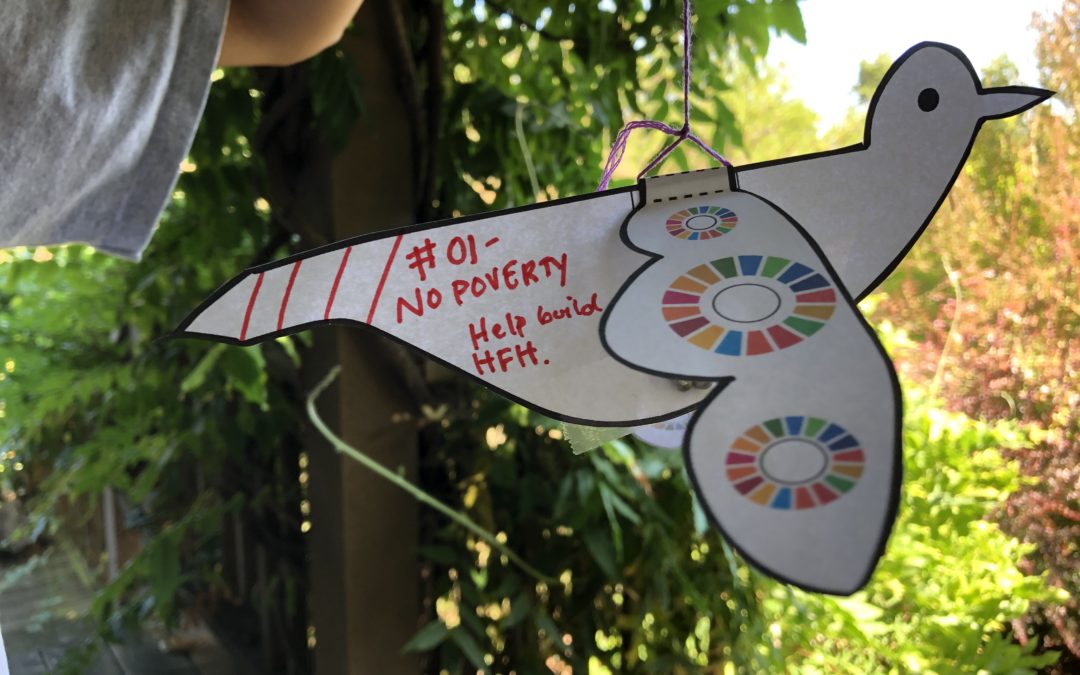
In this activity, you will learn about the sustainable development goals and think about what actions you can take to help support them while making a shareable craft.
Read more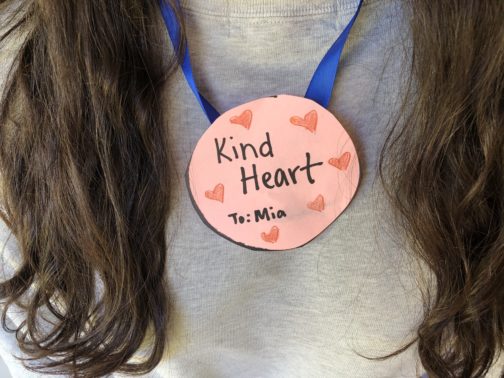
At this station, you’ll practice showing appreciation of each other and contribute to others feeling good about themselves.
Read more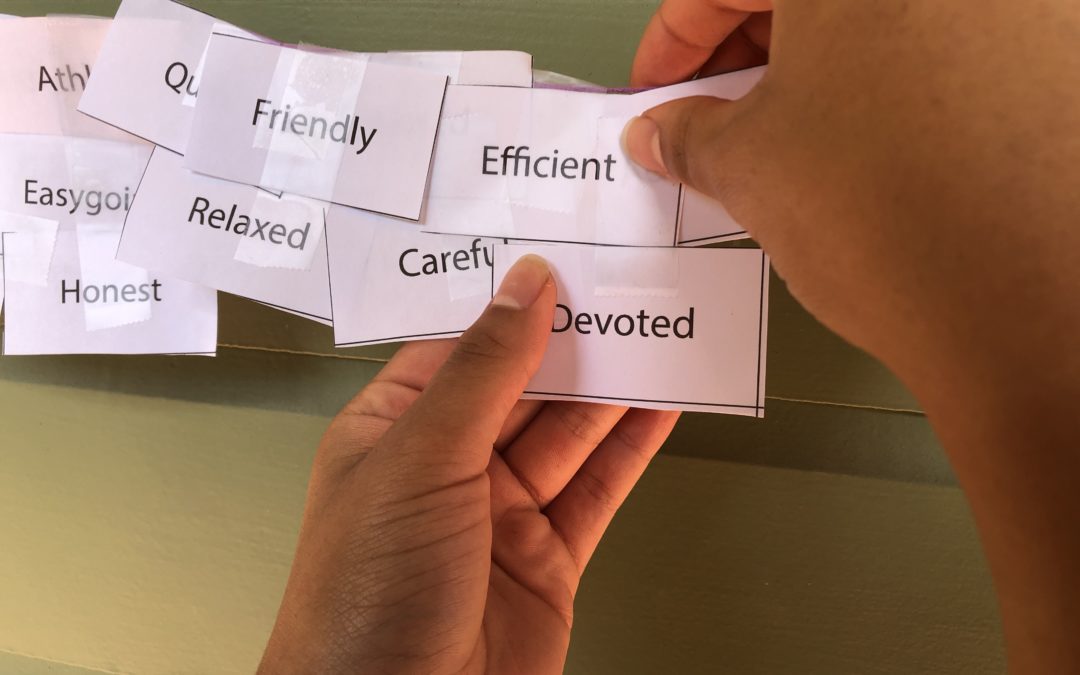
What makes someone honest, caring, kind or brave? Are these qualities reserved for some people but not others? In this activity children sort qualities by gender and have discussions about gender stereotypes.
Read more
What makes someone honest, caring, kind or brave? Are these qualities reserved for some people but not others? In this activity, children sort qualities by gender and have discussions about gender stereotypes.
Read more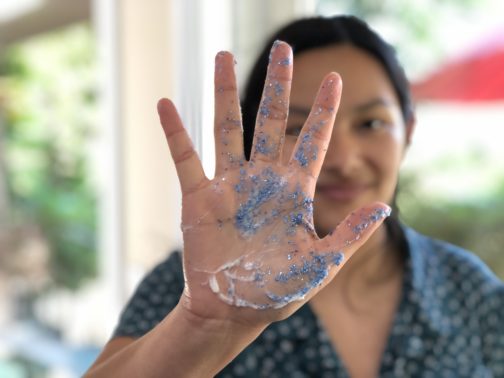
Taking care of yourself helps us take care of other people. One of the easiest ways to prevent the spread of bacteria is washing your hands.
Read more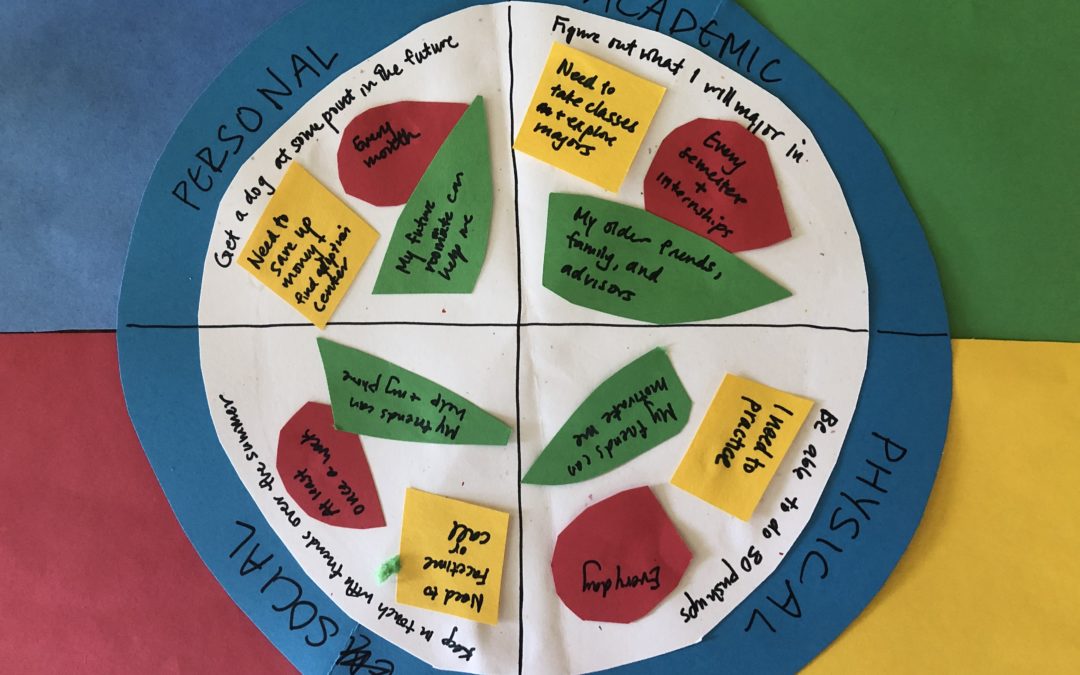
Setting Goals is a proven way to empower people and help them achieve (their own definition of) success. This activity will shows kids a fun (and yummy!) way to set goals and take action steps toward reaching them.
Read more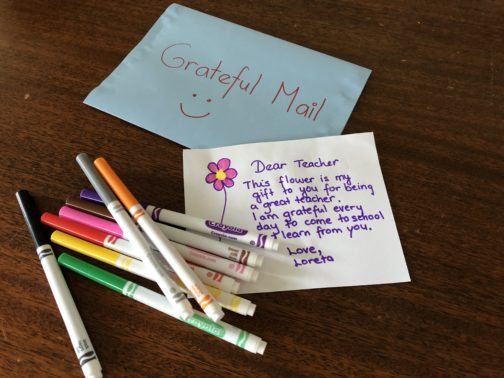
Practicing gratitude is linked with so many benefits, how can we teach our children to grow up with an “attitude of gratitude”? In this activity, kids (and adults!) will make art about what they are grateful for, then they will send the art to someone they love.
Read more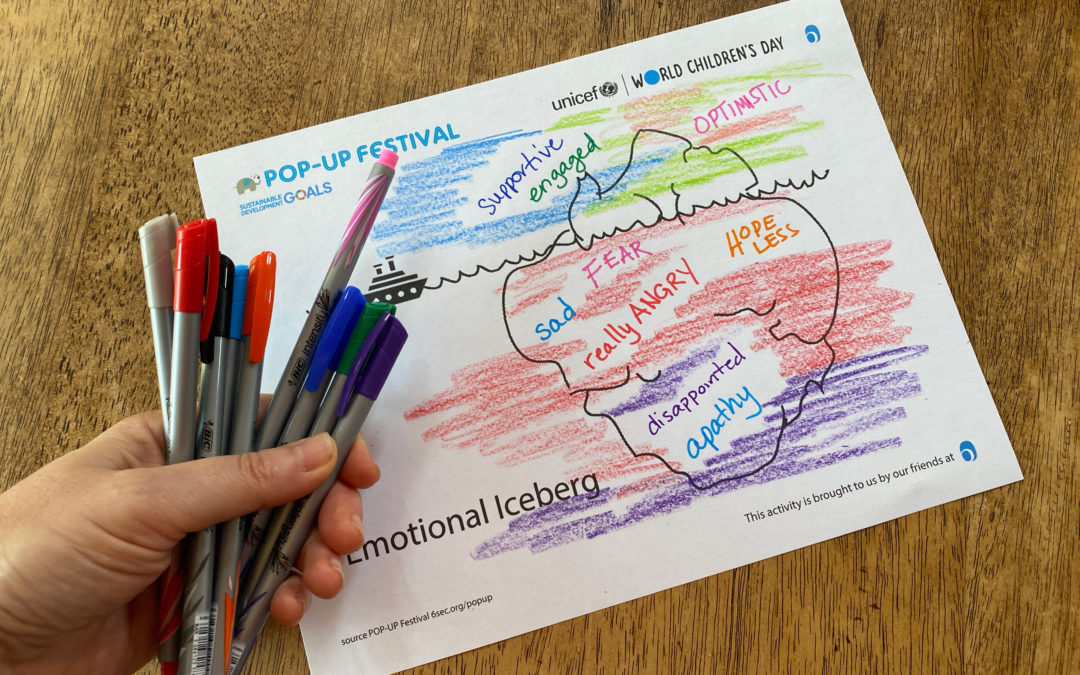
Think of an iceberg; what is visible above the ocean surface is only a small part of the whole. Create an Emotion Iceberg about climate change to explore your ideas and your feelings that are underneath your ideas.
Read more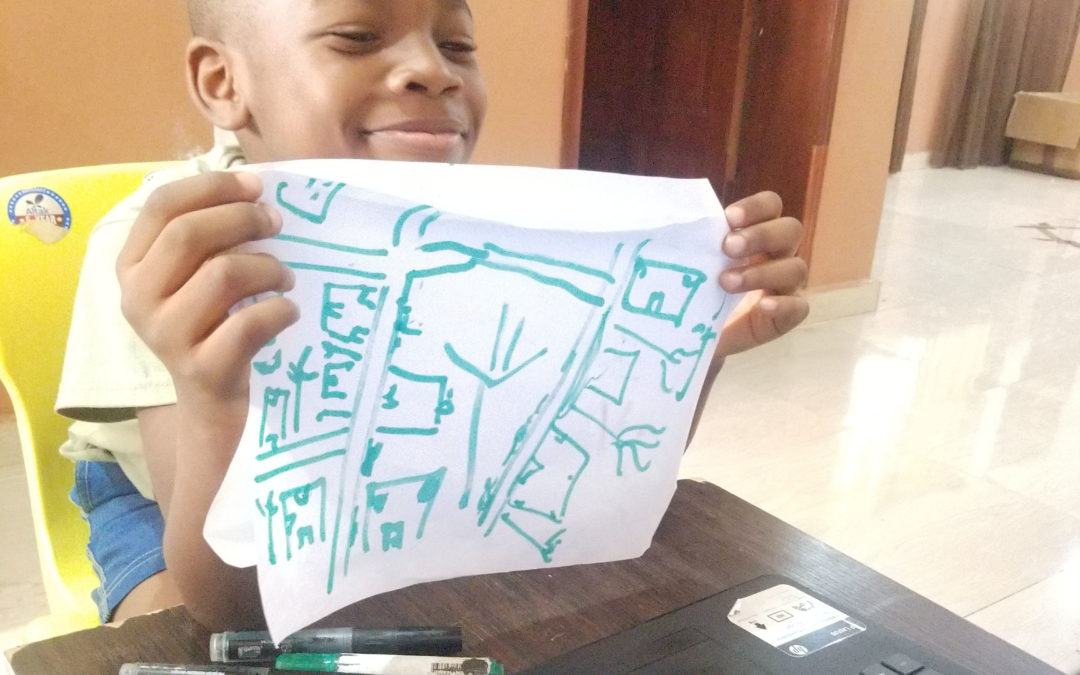
Look at different kinds of communities to explore the key ingredients of a community.. Then, creatively express ideas of your own ideal sustainable community.
Read more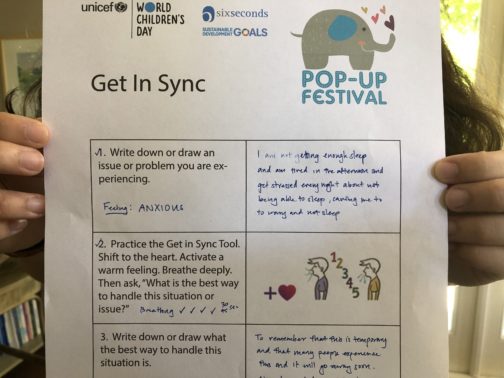
We are now going to learn a simple tool that helps with problem solving. By learning to get more in sync–when we are functioning at our best – our thinking brain is more active than our reactive brain–we can more easily come up with possible solutions. To begin with, choose a small or modest-sized problem or issue. It does take practice to become good at this skill.
Read more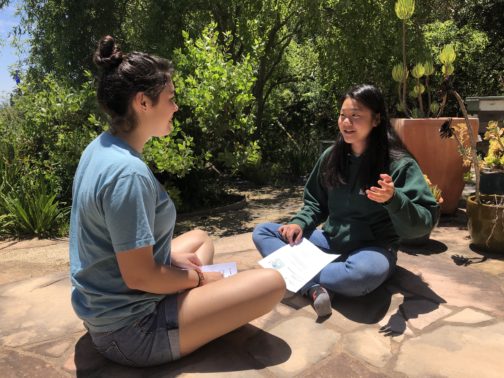
This game involves focused listening and understanding with a partner. Listening is one of the more difficult skills to develop. It takes time and practice to become a good listener. Oftentimes, our own points of view and emotions color what we hear other people saying. It takes practice to quiet down the thinking brain and listen with an open heart and mind. Part of listening involves intuition–the ability to sense what someone is meaning without the person actually saying it.
Read more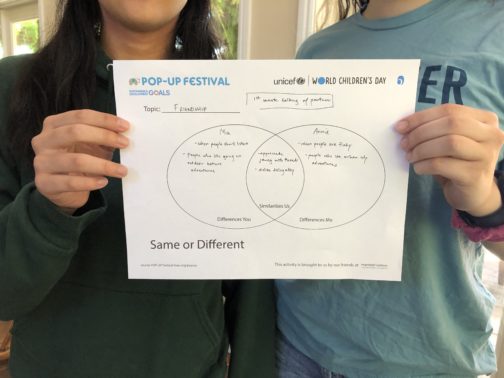
At this station you’ll try out an exercise that compares what is the same and what is different between you and another person.
Read more